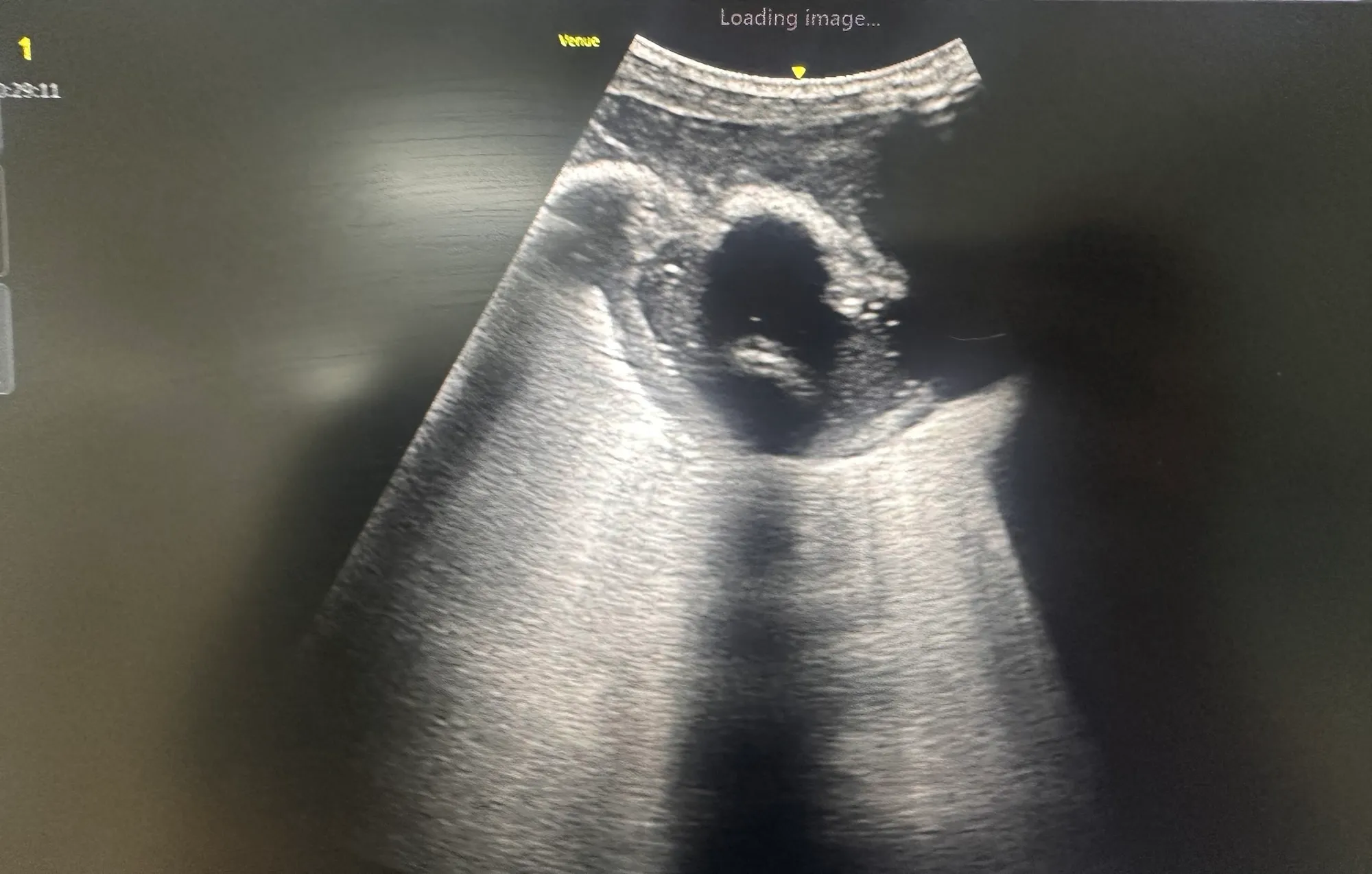
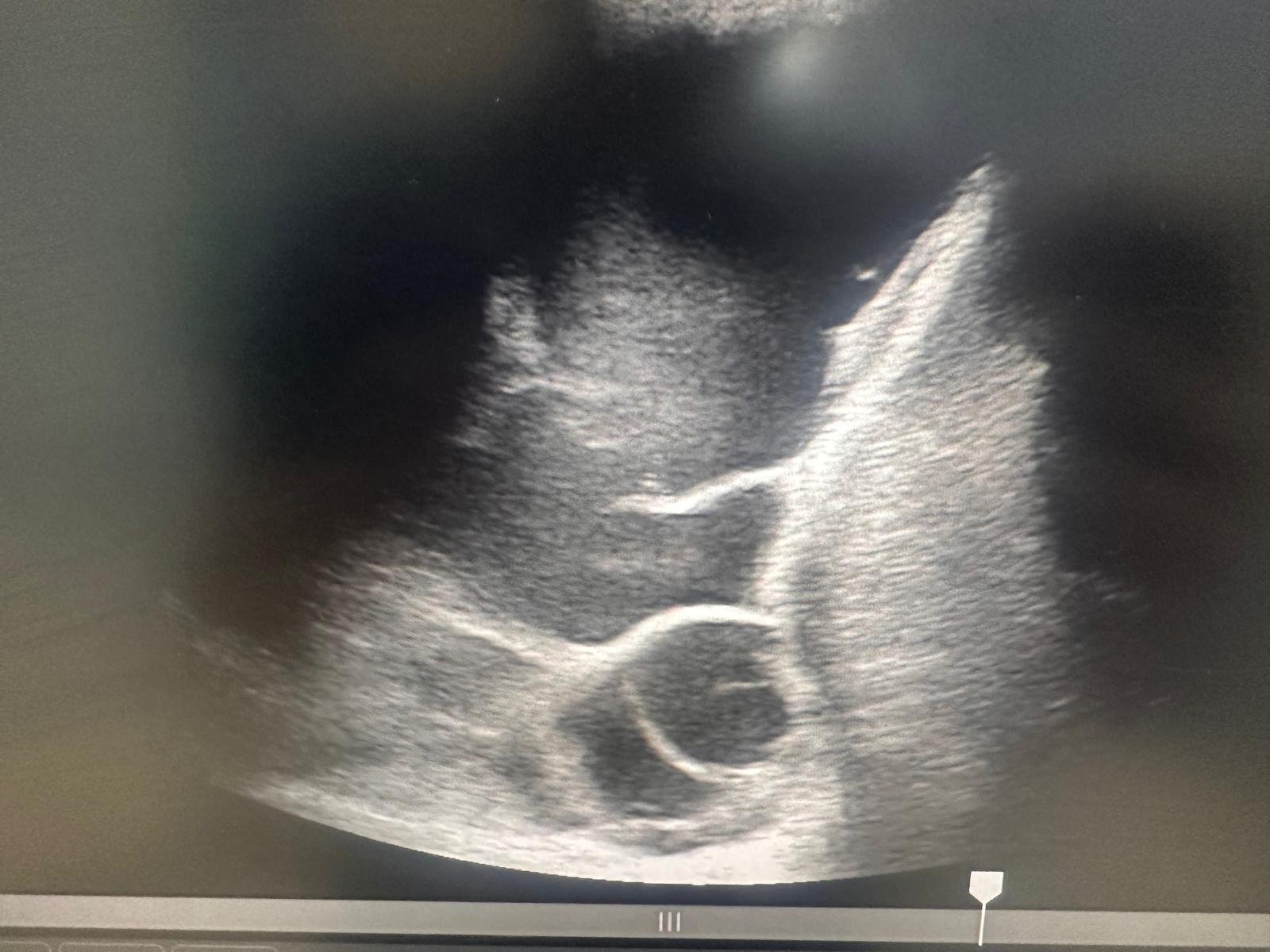
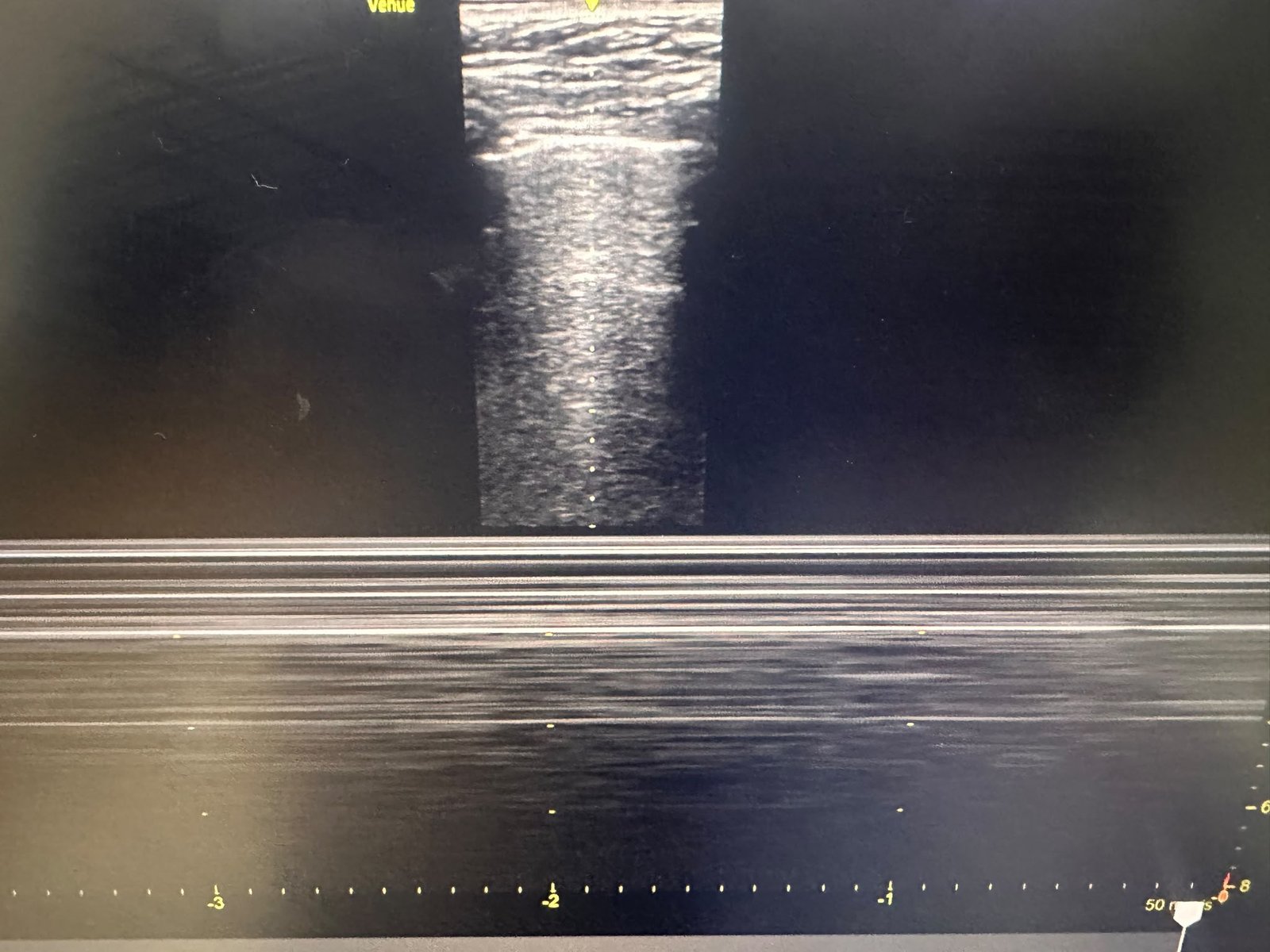
An 80-year-old patient with known renal cell carcinoma underwent bedside cardiac POCUS. The examination demonstrated a large echogenic mass within the inferior vena cava extending into the right atrium—highly concerning for venous tumour thrombus.
Renal cell carcinoma has a recognised tendency to extend through the renal vein into the IVC and, in advanced cases, as far as the right atrium. However, POCUS cannot reliably distinguish tumour thrombus from a conventional “bland” blood clot. Comprehensive echocardiography and cross-sectional imaging are therefore required to define its nature and full extent.
Why does this finding matter?
An IVC mass extending into the right atrium can obstruct venous return, impair right-sided cardiac filling and increase the risk of embolic complications. Its identification should prompt urgent specialist assessment involving cardiology, oncology, radiology and other relevant teams.
Should anticoagulation be started?
Anticoagulation is not automatically indicated for tumour thrombus because it consists predominantly of malignant tissue rather than fibrin clot. It may be considered when there is evidence of an associated bland thrombus or another clear thromboembolic indication, but the potential benefit must be balanced against bleeding risk. Evidence supporting anticoagulation for renal-cell-carcinoma tumour thrombus remains limited.
In this case, anticoagulation was carefully discussed. Because the patient had brain metastases complicated by cerebral haemorrhage, the risk of further potentially catastrophic bleeding was considered unacceptably high, and anticoagulation was not commenced.
This case demonstrates how cardiac POCUS can reveal major pathology extending beyond the heart. Although it does not replace definitive imaging, it can identify an unexpected high-risk abnormality at the bedside and trigger timely, individualised multidisciplinary decision making.